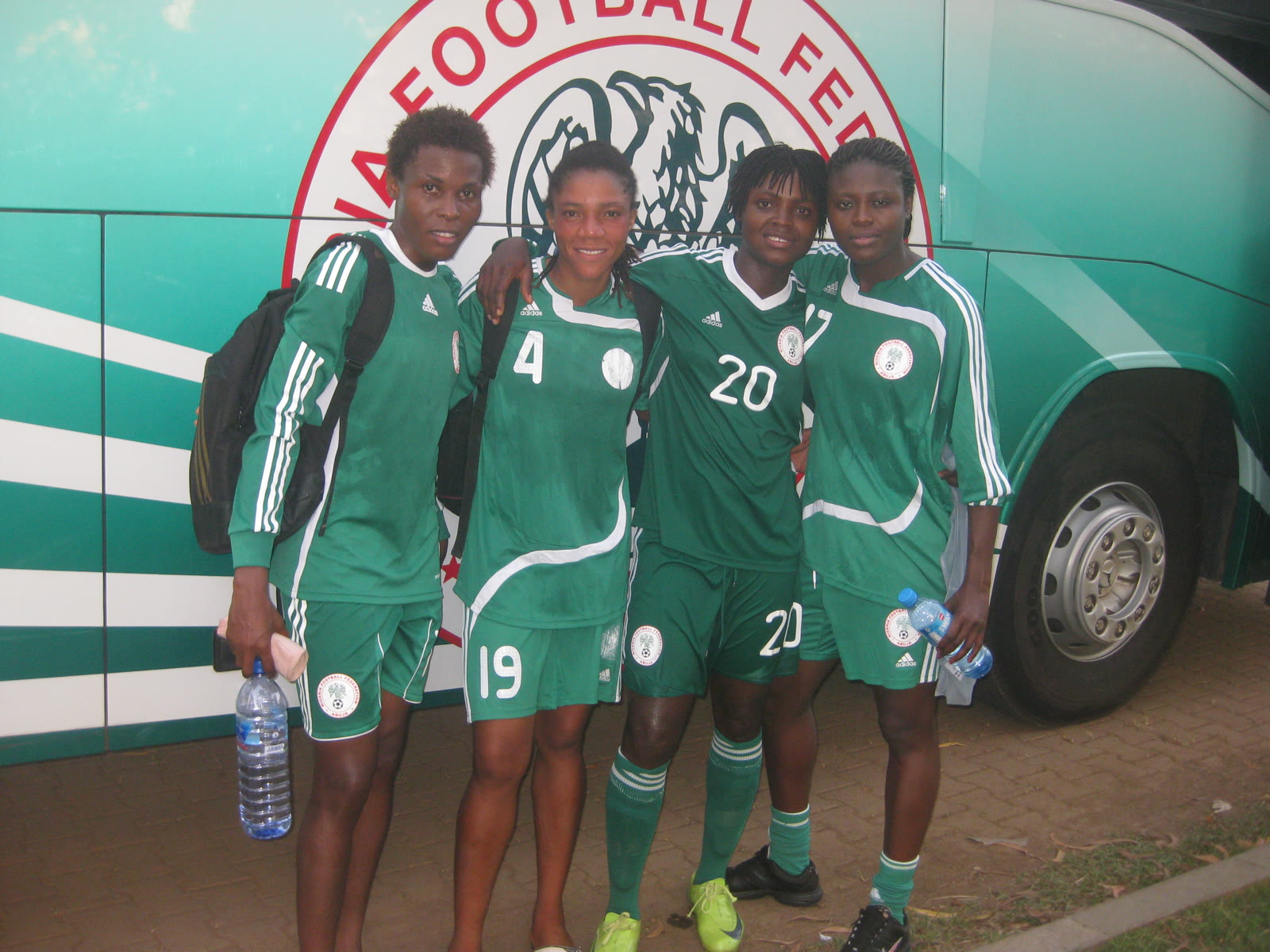
Nigeria’s Super Falcons are heading back into a short, high-stakes camp. On October 4 the squad is due at the Remo Stars Sports Complex in Ikenne, Ogun State, with both legs of their 2028 Olympic qualifying second-round tie against Comoros billed for the same venue on October 9 and 13.
That calendar matters more than the usual home-and-away script. Africa has only two places at the Los Angeles Games. Nigeria already used a ranking bye to skip the first round. Comoros arrived the hard way, thrashing Sudan 30–0 on aggregate. Favourites still have to turn five training days into a coherent team before the first whistle. A desk that treats the tie as a ceremonial stroll will miss how Olympic women’s football actually works: long knockout chains, thin margins, and staffs that must prove themselves in public before a substantive appointment is even settled.
Interim head coach Augustine Eguavoen inherits a programme that returned to the Olympics at Paris 2024 after a sixteen-year absence, then lived through a bruising 2026 cycle that included a WAFCON quarter-final exit and a missed ticket to the 2027 Women’s World Cup. The Nigeria Football Federation has framed his appointment as interim while a longer search continues. Assistants named around the camp include Christopher Danjuma, goalkeeper trainer Olatunji Baruwa, and former Falcons defender Ayisat Yusuf. The clock, not the job title, is what players will feel first. Five days of camp before a Friday opener is not a pre-season. It is a triage window for fitness, chemistry, and a match plan that can survive an early setback.
Desk readers should separate three tests. First is selection: who actually reports, how many foreign-based players clear club release, and whether home-based depth is ready for a midweek-and-weekend double-header. Second is organisation: set pieces, pressing triggers, and a clear plan for game one so the “away” leg four days later is not a scramble. Third is temperament: a two-leg home hosting arrangement can breed complacency as easily as it builds comfort. Comoros’ first-round scoreline will not decide October; Nigeria’s concentration will. National teams that dominate weak opponents in warm-ups still lose ties when the second match becomes a nervous possession game instead of a controlled finish.
The venue choice also reshapes the story for fans and federation planners. Staging both legs in Ikenne removes the travel tax that often hits African ties, but it raises the bar on pitch quality, medical cover, security, broadcast, and crowd management across nine days. A home advantage is only an advantage if the ball rolls true, substitutions are handled cleanly, and the coaching staff can keep focus when the first leg ends in a scoreline that invites either swagger or panic. Remo Stars’ complex has hosted club football with growing ambition; hosting a national Olympic qualifier is a different operational load.
Progress past Comoros means a third-round appointment between late February and early March 2027 against either Morocco or the Democratic Republic of Congo, then further knockout rounds through late 2027. That is a long road for an interim staff still introducing itself. For supporters, the useful question before kick-off is narrower: does the Ikenne camp look like a working unit by October 8, or like a reunion that hopes talent alone will carry the night? Watch how quickly a starting shape settles. Watch whether wingers and full-backs press on the same cue. Watch whether the goalkeeper unit looks organised under crosses. Those details travel further than a victory parade planned before the first training bibs are issued.
There is also a structural tension that Nigerian women’s football cannot paper over with a single camp. Club calendars, visa timing, and late releases from overseas teams have long compressed preparation windows. An interim coach with Eguavoen’s senior experience may cut through some bureaucracy, but he cannot invent extra days. If key attackers or defenders arrive late, the opening leg becomes a management problem as much as a tactical one. That is why the NFF’s communication around the squad list, reporting dates, and medical screening will matter almost as much as the starting eleven published on matchday.
None of this requires inventing a crisis or writing Comoros off as a free pass. It requires treating Olympic qualifying as a project with dates, venues, and a coaching hand-off in public view. Nigeria remains Africa’s most decorated women’s side for good reason: depth of talent, tournament memory, and a culture that expects medals. Expectation is not a plan. A plan is five sharp sessions, an honest look at who is match-fit, and a two-leg strategy that values an away-day mindset even while sleeping in Ogun hotels.
When camp opens on October 4, the scoreboard is still blank. The preparation is already on the clock. If the Falcons leave Ikenne with two professional performances and a third-round date, the interim experiment will have earned its next chapter. If they leave with a scare or worse, the conversation will snap back to appointment timelines, player pathways, and whether five days was ever enough for a tournament that stretches into 2027. That is the real story of this camp: not a photo call, but the first measurable step on a long road to Los Angeles.