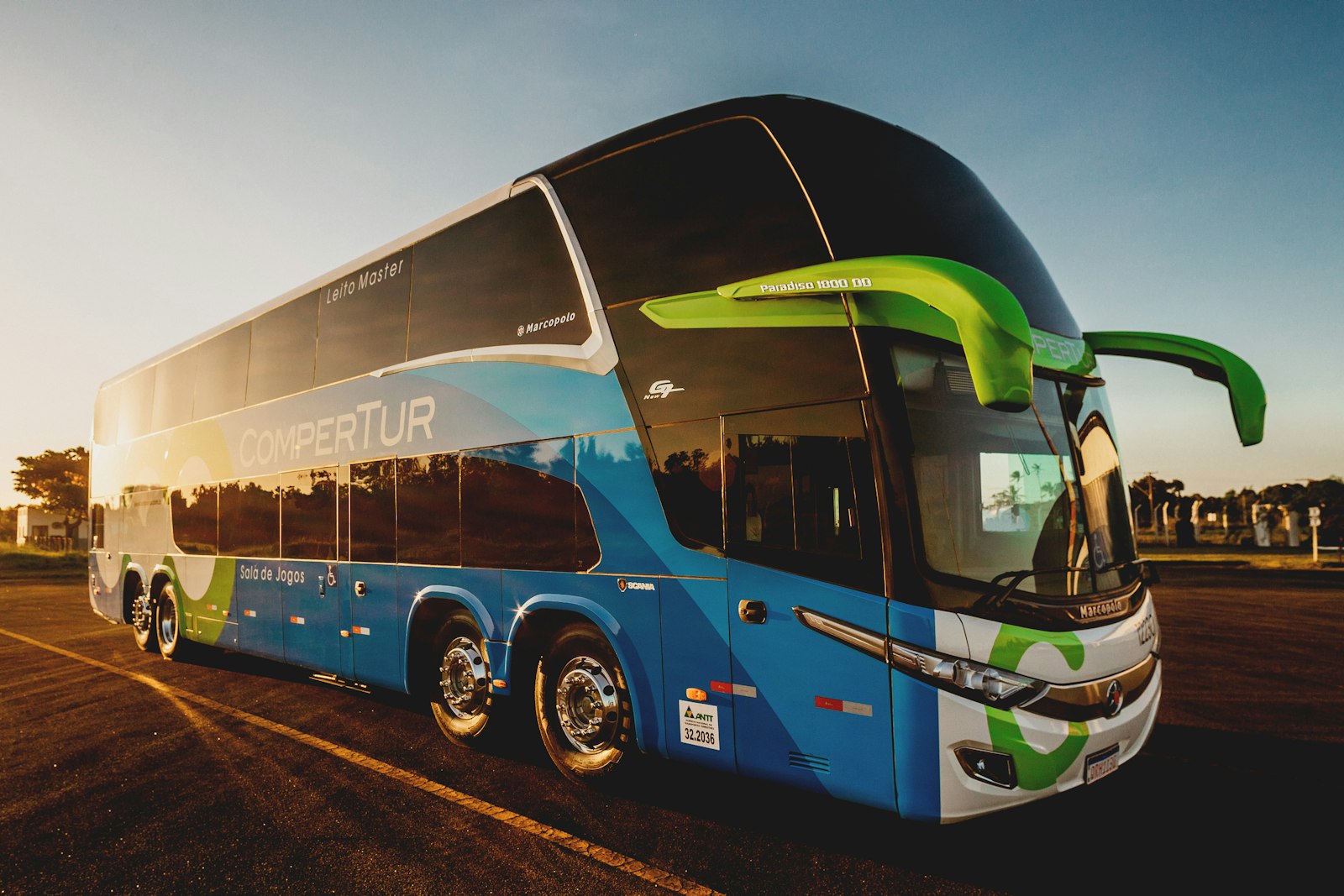
A political deadline is easy to announce. A cheaper bus ride is harder to deliver. That is the tension sitting under President Bola Tinubu’s push for measurable transport-cost relief from October 1 under the National Affordable CNG Transit Programme.
The federal pitch is straightforward. Nigeria has the gas. States have begun deploying CNG and electric buses on selected corridors. Where those fleets run at scale, fares have already dropped in pockets of Borno, Kaduna, Oyo, Adamawa, Enugu, Plateau, Abuja, Niger and Abia. The October marker is meant to turn those pockets into a nationwide feeling, not a press-release map.
Commuters should separate three layers. First is the fuel story: petrol prices in major cities remain punishing, so any credible alternative fuel that cuts operating cost can, in theory, cut fares. Second is the fleet story: free or discounted CNG buses help only the routes they actually serve. Third is the conversion story: commercial vehicle owners still face upfront conversion costs, station queues, and questions about safety and maintenance. A headline about national savings does not automatically rewrite the danfo or ride-hail invoice outside a pilot corridor.
Official examples matter as evidence, not as a national average. Kaduna’s reported first-year CNG bus savings, Oyo’s Lagos–Ibadan fare cut during early deployment, and Abuja NURTW partnership discounts show what cheaper energy can do when vehicles, stations, and operators line up. They do not prove that every city will feel the same cut on the same day. Desk readers should ask which routes in their own LGA have converted fleets and open filling points, not only which state appeared in a speech.
Supply and distribution remain the quiet bottleneck. Analysts tracking the rollout keep returning to the same chain: mother stations, daughter stations, mobile units, reliable gas molecules, and technicians who can keep converted engines honest. A thin station network turns “cheaper fuel” into “cheaper fuel if you can reach it without burning the savings in queue time.” Safety oversight belongs in the same sentence. Public trust collapses faster than a fare chart if conversions are sloppy.
Finance shapes adoption as much as physics. High inflation raises the cost of conversion kits, spare parts, and station investment. Schemes that spread conversion cost over time can widen the circle of willing operators; schemes that assume owners can pay cash upfront will stall among the very commercial drivers the policy needs. Passengers feel that stall as unchanged or rising fares even while national conversion tallies crawl upward.
October 1 should therefore be read as a performance check, not a magic switch. Useful tests are concrete. Are more CNG or electric buses boarding passengers on high-volume urban corridors? Are advertised fare bands holding after the cameras leave? Are filling stations open during peak commuting hours? Are private commercial operators converting at a pace that matters outside state fleets? If the answers stay narrow, the political win will outrun the household win.
Lagos and Abuja deserve special scrutiny because their commute math already dominates household budgets. A federal CNG story that does not show up in peak-hour bus and keke prices will be dismissed as theatre, fairly or not. Smaller cities with concentrated state fleets may show cleaner before-and-after numbers. Both outcomes can be true at once.
None of this requires pretending petrol economics are painless, or that every critic of CNG is acting in good faith. It requires refusing a false choice between celebrating early pilots and ignoring empty pumps. Nigeria can need faster CNG infrastructure and still need honest monthly reporting on fares by route. It can defend the October deadline and still admit that conversion finance and station density decide whether the deadline is felt.
For the next few weeks, treat every victory lap as an invitation to check the ground. Note the route. Note the fare. Note whether the bus that collected you actually runs on the cheaper fuel the speech described. That is how a transport promise becomes journalism instead of hope.