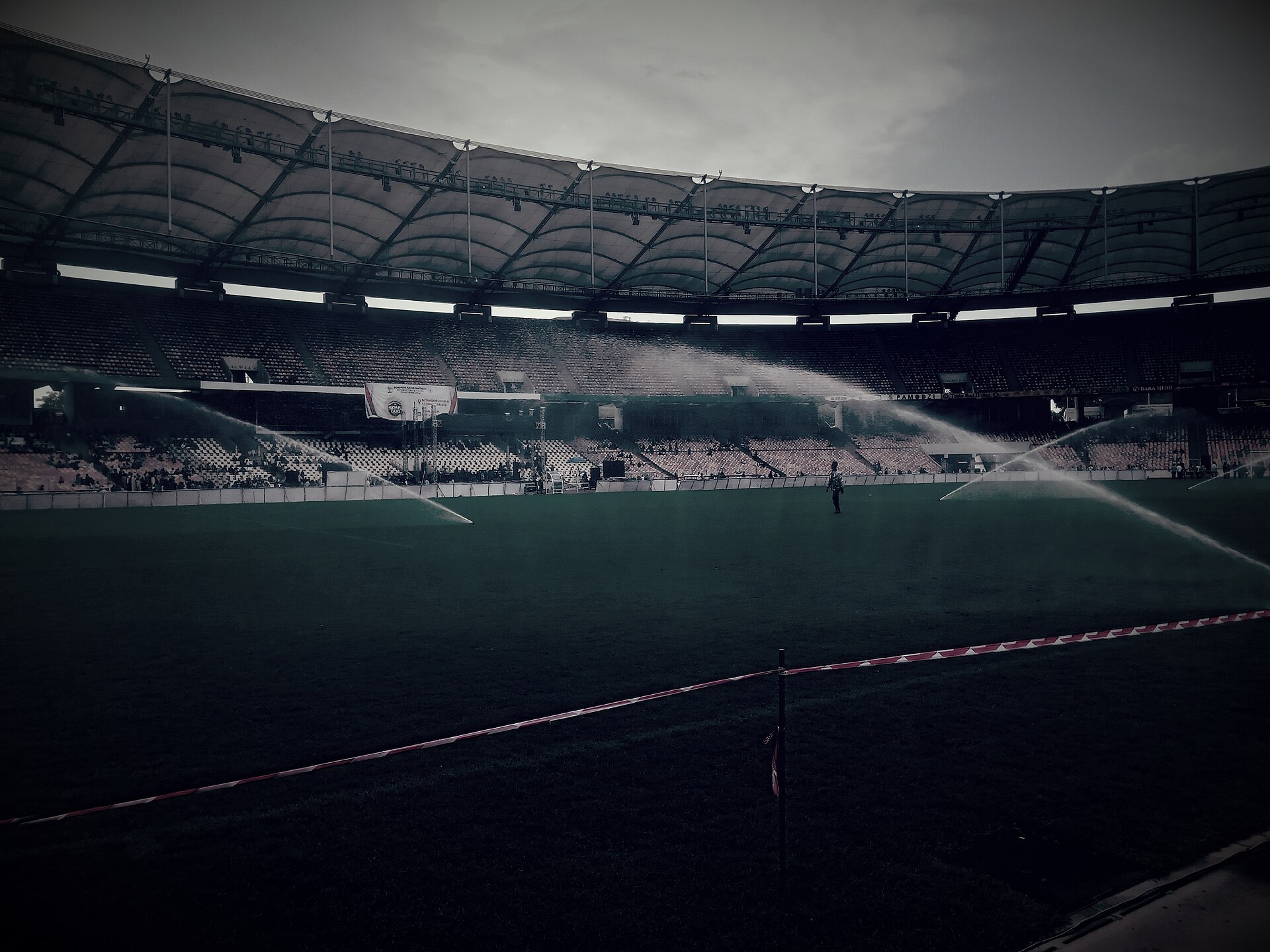
Nigerian football was supposed to pick its next board in Lafia today. It did not.
The Nigeria Football Federation had lined up an Elective Congress in Nasarawa State for Sunday, 27 September 2026 — shifted one day from Saturday to leave room for the Super Eagles’ 2027 Africa Cup of Nations qualifier against Madagascar. The brief was simple on paper: elect an Executive Committee for the 2026–2030 cycle. By the time the calendar reached Sunday, the hall was empty of ballots. Preparations had already been stood down.
What emptied the room was not a local scheduling squabble. It was a leadership collapse followed by continental supervision. In August, President Ibrahim Musa Gusau, General Secretary Mohammed Sanusi and members of the Executive Committee resigned. FIFA later accepted those resignations. The federation named Emmanuel Ikpeme to run the secretariat on an interim footing and said a fresh electoral process would wait on reforms worked out with FIFA and the Confederation of African Football.
FIFA then went further. In a 7 September communication, world football’s governing body told the NFF to take no further steps in the electoral process while FIFA and CAF studied the legal, governance, administrative and electoral fallout. A joint FIFA–CAF mission came to Nigeria, sat with government officials, State Football Association chairs, former NFF figures, players, coaches, referees and the Sports Writers Association of Nigeria, then left with findings meant to shape the next phase. Until that roadmap lands, Lafia stays symbolic — a date that marks what did not happen.
Desk readers should separate three stories that get mashed together in football politics talk. First, the personnel story: Gusau, elected in September 2022, had been expected to seek another four-year term with State FA chairs as his base. That campaign track is now off the rails because the board that would have hosted the election resigned en masse. Second, the calendar story: moving the congress around an AFCON qualifier was ordinary sports administration; suspending it on FIFA’s order is not. Third, the governance story: the live question is no longer who would have won a show-of-hands in Lafia, but what statute, electoral code and oversight model FIFA and CAF will insist on before Nigeria is allowed to vote again.
Interim control under Ikpeme is administration, not a settled mandate. It keeps the secretariat breathing while international assessors decide how deep the rebuild goes. The National Sports Commission sits in the same conversation; so do State FA chairs who would have been congress delegates. Players and coaches waiting on camps, budgets and competition calendars feel the vacuum even when the press conference language is about “reform.”
What should Nigerians watch next? Watch for a published FIFA–CAF reform checklist with dates, not only a press statement about consultation. Watch whether a new electoral timetable is approved before or after statute changes. Watch how the Super Eagles and Super Falcons programmes are funded and staffed while the federation’s political track is frozen — on-pitch windows do not pause because a congress did. Watch State FA politics: the same chairs who shape congress maths will shape whatever transitional body emerges.
A cancelled election is not a quiet Sunday. It is a signal that Nigerian football’s next four years will be written first in Zurich and Cairo briefings, then in Abuja paperwork, and only later in a congress hall. Lafia was meant to crown a board. Instead it marked the day the old board’s unfinished business became an international file.
The Super Eagles calendar is the sharpest reminder that administration and competition do not share a pause button. Qualifiers, camps, and travel budgets still need signatures while the political track is frozen. Fans will judge the interim period less by communiqué language and more by whether match-day logistics, coaching clarity, and player call-ups look professional. A reform process that improves statutes but starves the national teams of ordinary competence will not feel like reform in living rooms from Kano to Port Harcourt.
State Football Association chairs deserve a clear sentence of their own. They are not spectators. They are the electoral college of Nigerian football whenever a congress is allowed to sit. Many of them would have arrived in Lafia with local scores to settle and national blocs to join. FIFA’s stop-order freezes those bargains without dissolving them. When the timetable reopens, the same networks will reassemble — unless the reform package changes who qualifies as a voting delegate, how nominations are filed, or how long a caretaker may serve. That is why the next published checklist matters more than any endorsement tour photo.
There is also a public-trust angle. Mass resignations followed by an international mission tell ordinary supporters that something broke beyond ordinary factional noise. Silence after the mission leaves room for rumour. A short, dated statement from the NFF interim office — what has been received from FIFA and CAF, what remains under review, and what domestic competitions can expect in the next 30 days — would cost little and reduce speculative heat. Desk will treat theatre and paperwork as different products. Only paperwork restarts an election.