Global food prices have seen a notable increase for the second consecutive month, raising alarms among stakeholders in Nigeria's agricultural sector and consumers alike. According to the Food and Agriculture Organisation (FAO) of the United Nations, the FAO Food Price Index averaged 133.3 points in August 2026, marking a 1.9 percent rise from July and a 2.5 percent increase compared to the same period last year. This upward trend is attributed to a combination of climate shocks, geopolitical tensions, and disruptions in trade logistics, which have collectively tightened supply expectations.
Maximo Torero, the FAO's chief economist, highlighted that the recent surge in food prices serves as a warning signal that the risk premium is returning to food markets. He emphasized the importance of resilience, open trade, and secure input flows as central to stabilizing global food prices. For Nigeria, which heavily relies on imports for various food commodities, these developments could have significant repercussions on food security and inflation.
The FAO's report indicates that all five commodity groups within the index recorded gains. The FAO Cereal Price Index rose by 2.2 percent to 116.3 points, the highest level since May 2024. Wheat prices, in particular, climbed by 2.6 percent due to ongoing export disruptions in the Black Sea region and lower production forecasts in Europe, exacerbated by hot and dry weather conditions. Additionally, maize prices increased by 2.5 percent, driven by concerns over yields in the United States and the European Union, alongside strong demand for ethanol and animal feed.
In Nigeria, where maize is a staple food, the rising prices could lead to increased costs for consumers and food manufacturers. The country has been grappling with food inflation, and any further hikes in maize prices could exacerbate the already challenging economic situation for many households.
The FAO Vegetable Oil Price Index also saw an increase of 0.6 percent, reaching 196.9 points, marking its third consecutive monthly gain and the highest level since June 2022. This rise was primarily driven by palm and soy oil, supported by robust import demand and concerns regarding the impacts of El Niño in Southeast Asia. Given that Nigeria is one of the largest consumers of palm oil in Africa, fluctuations in vegetable oil prices could significantly affect local markets and consumer spending.
The FAO Sugar Price Index experienced the most dramatic increase, soaring by 11.9 percent to 106.4 points, the highest since June 2025. This surge reflects expectations of lower sugar beet yields in the European Union, the effects of El Niño in Asia, reduced output in Brazil, and India’s recent announcement of duty-free raw sugar imports. For Nigeria, where sugar is a key ingredient in many food products, this increase could lead to higher prices for consumers and manufacturers alike.
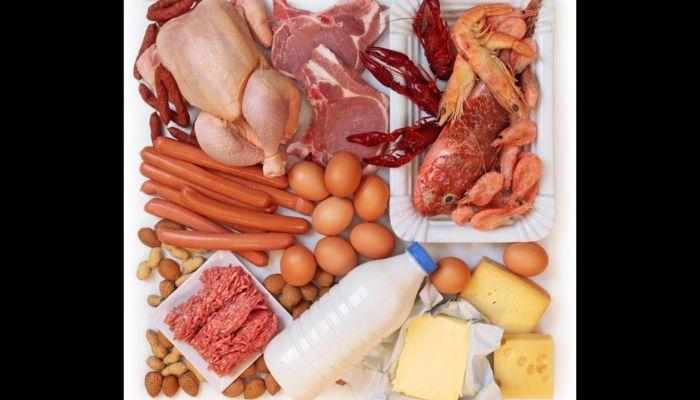
Dairy and meat prices also advanced, with the FAO Dairy Price Index rising by 2.3 percent, marking its first increase in four months. This rise was attributed to tighter milk supplies in the European Union. The FAO Meat Price Index gained 1.0 percent, driven by higher prices for poultry, pig, and ovine meat, despite a decline in bovine meat prices due to intensified competition among exporters, particularly from China.
Looking ahead, the FAO has adjusted its outlook for global cereal production in 2026/27, predicting that worsening crop prospects in France and Poland will more than offset better-than-expected yields in Argentina and Brazil. While global wheat production is still forecasted at 810.7 million tonnes—making it the second-largest on record—rice output is expected to decline by 1.9 percent to 553.1 million tonnes due to lower profit margins and weather conditions linked to El Niño.
The FAO also projected that world cereal stocks at the close of the 2027 seasons would be around 947.2 million tonnes, slightly above opening levels, with the stocks-to-use ratio at 31.6 percent. Although this indicates a relatively comfortable supply situation from a historical perspective, the expected decline in world cereal trade to 509.3 million tonnes from record levels raises concerns about future food availability.
For Nigeria, these developments underscore the urgent need for strategic interventions in the agricultural sector to enhance local production capacities and reduce dependency on imports. The government and stakeholders must prioritize investments in agricultural technology, infrastructure, and climate resilience to mitigate the impacts of global price fluctuations on local food security. As the country navigates these challenges, it is crucial to monitor the evolving global food landscape and its implications for Nigerian consumers and the economy.