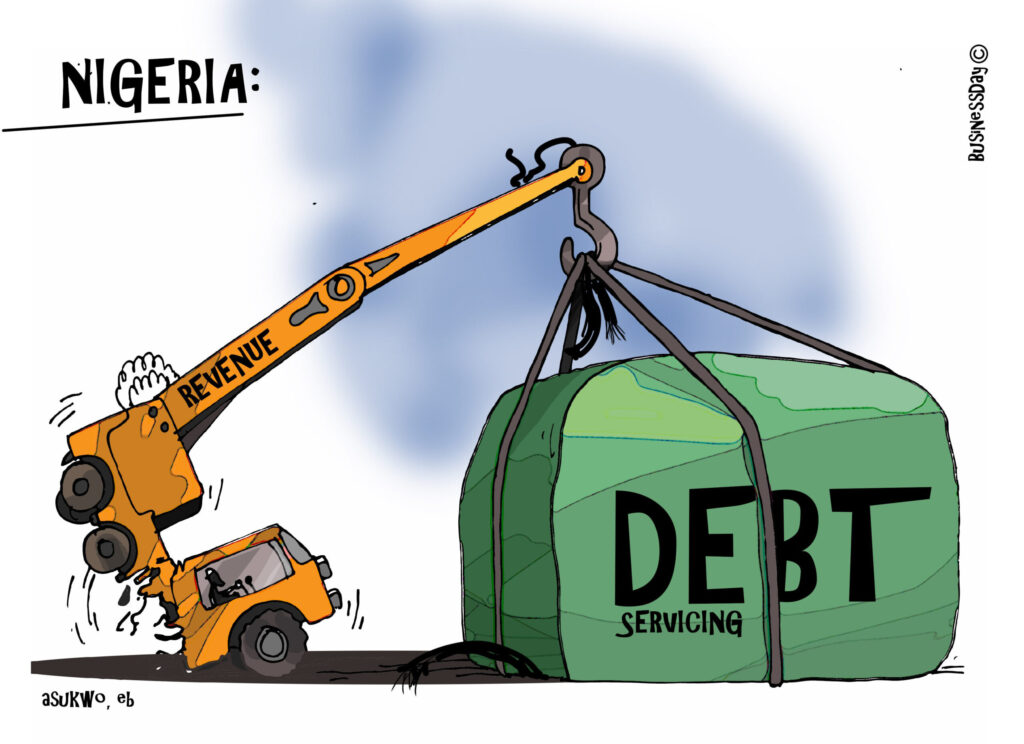
The Federal Capital Territory (FCT) has recorded a staggering increase in its domestic debt, which surged by 538% from N61.12 billion in March 2025 to N389.87 billion in March 2026. This dramatic rise is part of a broader trend among Nigerian subnational governments, with a total of 11 states accumulating over N654 billion in fresh domestic debt during the same period. According to data released by the Debt Management Office (DMO), the aggregate domestic debt of all 36 states and the FCT rose from N3.86 trillion to N4.52 trillion within a year.
While some states managed to reduce their debt levels, the FCT, alongside states like Kaduna, Yobe, and Bauchi, significantly increased their borrowing. Kaduna State's debt grew by 251.3%, from N25.00 billion to N87.86 billion, while Yobe's debt rose from N39.62 billion to N98.59 billion. Lagos State, however, continues to hold the highest overall debt balance, increasing from N874.04 billion to N1.21 trillion.
The sharp increase in debt raises critical questions about the fiscal management strategies employed by these states. Mayowa Amoo, Chief Executive Officer of QLP Capital, emphasized that while strategic public borrowing is essential for addressing Nigeria's significant infrastructure deficits, it is crucial for state governments to ensure that loans are utilized effectively to spur economic growth and generate long-term tax revenues. He likened public debt to a family taking out a mortgage to invest in a home, suggesting that if the funds are used wisely, they can lead to increased wealth and, consequently, higher tax revenues for debt repayment.
Amoo cautioned, however, that borrowing can become detrimental if the projects funded do not yield the expected growth or if there is a lack of effective management. He highlighted the risk of entering a vicious cycle of unsustainable debt if infrastructure projects fail to deliver the anticipated benefits. Furthermore, he urged policymakers to maintain fiscal discipline to protect Nigeria's international credit standing, noting that the country's credit rating has been improving, which encourages international lenders to provide financing.
Uzor Joseph, an economic expert and Executive Director at Frontline Investments, echoed Amoo's sentiments, stating that the rising debt levels underscore the urgent need for states to enhance their internally generated revenue (IGR). He explained that a state’s long-term solvency is contingent upon its ability to mobilize resources internally, leveraging natural resources, technology, public-private partnerships, and effective governance.
Joseph pointed out that achieving debt sustainability requires states to minimize their reliance on foreign loans, particularly in light of the volatility in exchange rates, which can expose them to unfavorable borrowing conditions. He called for the establishment of robust frameworks for transparency to ensure that borrowed funds are allocated effectively and contribute to sustainable development.
The implications of the FCT's soaring debt levels are significant. As the capital city of Nigeria, the FCT's financial health is closely tied to the overall economic stability of the nation. The increase in debt could impact the government's ability to fund essential services and infrastructure projects, potentially leading to a deterioration of public services and increased financial strain on residents.
Moreover, the rising debt levels across various states may lead to increased scrutiny from both domestic and international stakeholders. Investors and lenders may become more cautious, demanding higher interest rates or stricter terms for future borrowing, which could further complicate the financial landscape for these states.
As the situation develops, it will be crucial for state governments to adopt comprehensive strategies to manage their debts effectively. This includes not only prudent borrowing practices but also a focus on enhancing revenue generation capabilities and ensuring that investments lead to tangible economic benefits. while the surge in domestic debt among Nigerian states, particularly the FCT, reflects a pressing need for infrastructure funding, it also poses significant risks that must be carefully managed. Policymakers will need to strike a balance between necessary borrowing and fiscal responsibility to ensure sustainable economic growth and development in the long term.