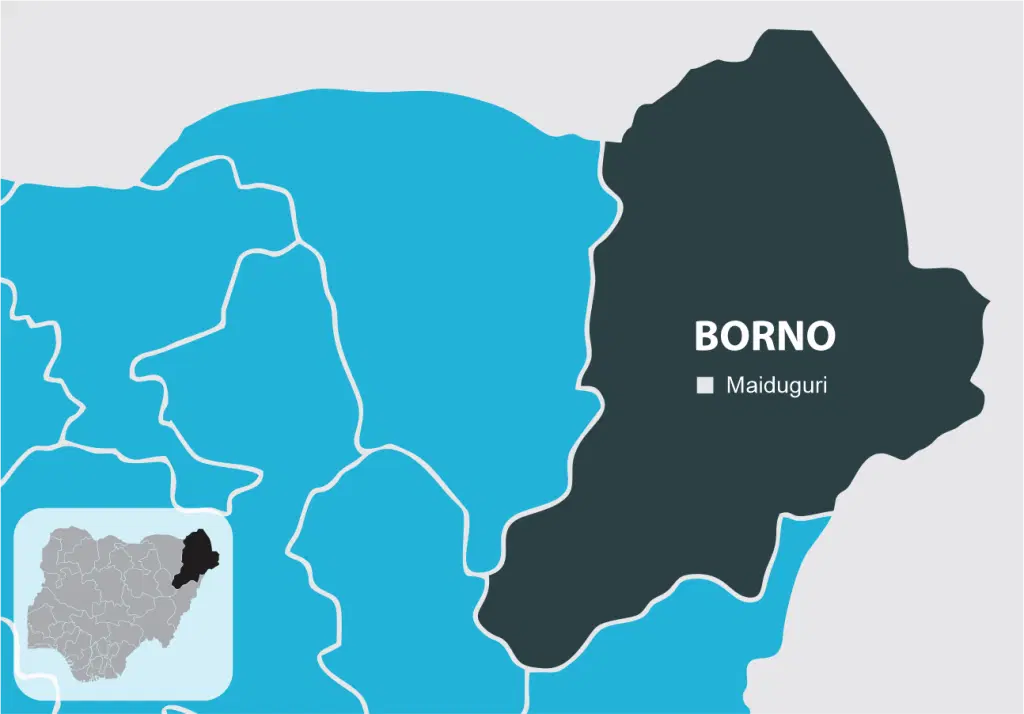
The Borno State government has made a significant investment in education by settling N622.3 million for the National Examinations Council (NECO) fees of 27,599 students scheduled to sit for the 2026 Senior School Certificate Examination (SSCE) in public schools. This announcement was made by Mr. Lawan Wakilbe, the state Commissioner for Education, Science, Technology and Innovation, during a cheque presentation to NECO officials in Maiduguri on Friday.
Wakilbe emphasized that the payment reflects the state government's unwavering commitment to ensuring that financial constraints do not hinder students' access to education and external examinations. He noted that since 2019, the Borno government has consistently subsidized 75 percent of examination fees for eligible students taking the West African Senior School Certificate Examination (WASSCE), SSCE, and the National Business and Technical Examinations Board (NABTEB) examinations.
The N622.3 million allocated for the 2026 NECO SSCE examination fees will cover students from public schools across the state, highlighting the government's focus on educational accessibility. In addition to this, Wakilbe revealed that the state has committed a total of N1.195 billion in 2026 for WASSCE, SSCE, State Islamic Studies Examination (SISE), and NABTEB examinations.
Since the inception of this intervention in 2019, the Borno government has invested a staggering N5.987 billion in external examination fees, benefiting a total of 193,396 students throughout the state. This investment underscores the government's recognition of education as a vital tool for development, especially in a region that has faced significant challenges due to insecurity and other socio-economic factors.
Wakilbe also addressed the ongoing security challenges that have affected the conduct of examinations in the state. He noted that the 2026 SSCE was conducted across 24 Local Government Areas, despite the security concerns that some communities continue to face. The commissioner expressed his deep concern over the abduction of 36 learners and a teacher during a security incident in Lassa on June 29, coinciding with the examination period. He called for prayers for the safe return of the abducted individuals and acknowledged the efforts of NECO officials, local government chairmen, education secretaries, principals, teachers, parents, and other stakeholders who contributed to the successful conduct of the examination.
The Borno government's proactive approach to education funding is particularly significant in light of the ongoing challenges faced by the state. The region has been grappling with the effects of insurgency and violence, which have disrupted educational activities and posed serious threats to students and educators alike. By investing in examination fees, the government is not only alleviating the financial burden on families but also reinforcing the importance of education as a pathway to a better future.
This initiative is expected to encourage more students to participate in external examinations, thereby enhancing their prospects for further education and employment opportunities. The commitment to subsidizing examination fees is a clear indication that the Borno government is prioritizing education as a means of fostering resilience and recovery in a region that has been deeply affected by conflict.
As the 2026 NECO SSCE approaches, the state government’s efforts will likely be closely monitored by both local and national stakeholders. The successful conduct of these examinations will be crucial for the future of the students involved, as well as for the overall educational landscape in Borno State. The government’s actions may also serve as a model for other states facing similar challenges, demonstrating that with the right investments, educational access can be improved even in the most difficult circumstances.
Looking ahead, it will be essential for the Borno government to continue its support for education and to address the underlying issues that contribute to insecurity and instability in the region. Ensuring a safe and conducive learning environment will be paramount in fostering a generation of educated individuals who can contribute positively to society and help rebuild their communities in the years to come.