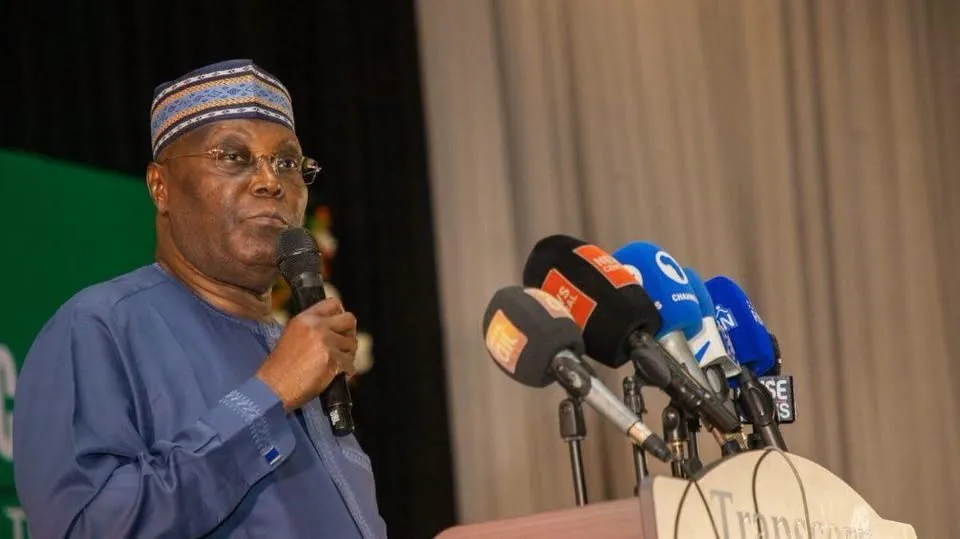
Former Vice President and the Presidential Candidate of the African Democratic Congress (ADC), Atiku Abubakar, has sounded the alarm over the alarming trend of young Nigerians being driven to sell their kidneys due to the harsh economic realities in the country. In a statement shared on his social media platforms, Atiku highlighted the desperation faced by many youths who, in their quest for survival, are resorting to selling vital organs. He attributed this disturbing phenomenon to the policies of President Bola Ahmed Tinubu's administration, which he claims have made living in Nigeria increasingly unaffordable.
Atiku's remarks come at a time when the cost of essential goods and services has skyrocketed, leaving many young Nigerians struggling to meet their basic needs. The former Vice President noted, "Tinubu made Nigeria expensive. I will make Nigeria affordable again," emphasizing his commitment to reversing the current administration's policies that he believes have exacerbated the economic crisis.
The ADC candidate expressed his dismay at the reports of young people selling their kidneys for as little as ₦1.7 million, a sum that underscores the extent of desperation faced by many. He stated, "I have heard disturbing stories about the extent to which young Nigerians are being driven simply to survive. Perhaps the most horrifying are the growing reports of young people selling parts of their bodies: kidneys in particular, in desperate attempts to raise money."
Atiku lamented that young Nigerians should be focusing on building careers, starting businesses, and pursuing their dreams rather than calculating how much their body parts could fetch in the market. "When young Nigerians begin to see their kidneys as emergency savings, we are no longer talking about ordinary economic hardship. We are talking about desperation at its most frightening," he remarked.
The former Vice President pointed out that Nigeria has laws prohibiting commercial organ sales and trafficking, but he argued that legislation alone cannot address the underlying issues of poverty and desperation that make vulnerable youths easy targets for criminal networks. He called for a more humane approach to economic reform, stating, "No government should celebrate 'reforms' while young Nigerians are being reduced to selling parts of themselves to eat, pay rent, settle school fees or survive. Economic reform must have a human face. It must mean affordable food, cheaper transportation, accessible healthcare, decent jobs, and renewed hope for the next generation."
Atiku's comments resonate with many Nigerians who have felt the pinch of rising costs in recent months. The prices of food, transportation, rent, school fees, and healthcare have surged, leading to widespread discontent among the populace. The former Vice President's call for a change in leadership and policies is likely to resonate with many voters who are seeking a way out of the current economic malaise.
As the 2027 elections approach, Atiku's statements may serve to galvanize support among the youth, who are increasingly frustrated with the status quo. His promise to make Nigeria affordable again is a direct appeal to those who feel abandoned by the current administration's policies.
The situation is further compounded by the ongoing security challenges in the country, which have also contributed to the economic downturn. Many young Nigerians are not only grappling with financial difficulties but also with the fear and uncertainty that come with living in a country plagued by insecurity.
Atiku's comments have sparked discussions across social media platforms, with many users expressing their agreement with his assessment of the situation. The narrative that young Nigerians are being forced into such desperate measures as selling their organs has struck a chord, highlighting the urgent need for policy changes that prioritize the welfare of citizens. Atiku Abubakar's alarming revelations about the plight of young Nigerians selling their kidneys to survive serve as a wake-up call for the nation. As the country prepares for the upcoming elections, the focus on economic reform and the need for a government that prioritizes the well-being of its citizens will be critical in shaping the future of Nigeria. The question remains whether the current administration will heed these warnings or continue down a path that leaves its youth vulnerable and desperate.